
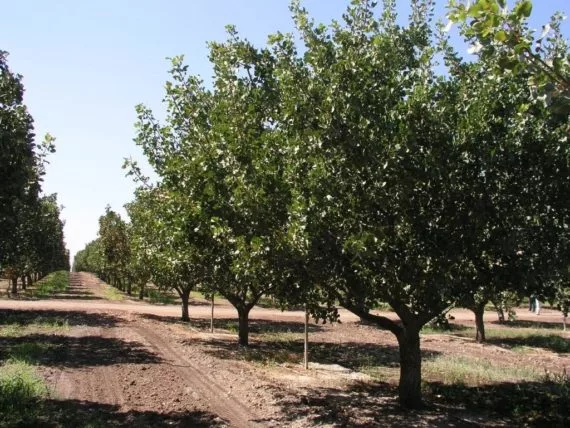
California’s agricultural lands face constant pressure from residential, commercial, and industrial development. One of the state’s primary tools for preserving farmland and open space is the Williamson Act, formally known as the California Land Conservation Act of 1965. Unlike conservation easements, which are often permanent, Williamson Act contracts provide a mechanism for landowners to temporarily restrict development in exchange for favorable property tax treatment.
For landowners, public agencies, and eminent domain practitioners, understanding how these contracts are created, terminated, and affected by public acquisitions is important because they can significantly influence the use of agricultural property throughout California.
If you are looking for information on conservation easements more broadly, check out these prior Nossaman blog posts: Conservation Easements in California: Preserving Land While Retaining Ownership and Conservation Easements in California: Does Anyone Notice?.
What Is a Williamson Act Contract?
A Williamson Act contract is an agreement between a landowner and a city or county under which the landowner agrees to restrict the property to agricultural and certain compatible open-space uses. In exchange, the property is generally assessed based on its agricultural use rather than its highest and best development potential, often resulting in lower property taxes.
Unlike a conservation easement, a Williamson Act contract is not intended to be permanent. The purpose is to encourage the continued agricultural use of land by providing tax incentives while discouraging development for the duration of the contract.
Although the property remains privately owned, the contract limits uses that are inconsistent with agriculture or other permitted uses during the life of the contract.
How Are Williamson Act Contracts Created?
Williamson Act contracts are created when a landowner and a city or county enter into a land conservation contract covering qualifying agricultural or open-space property. Once approved and recorded, the contract restricts the property’s use in accordance with the Act and applicable local regulations.
The contract generally renews automatically each year, creating a rolling term that continues unless either the landowner or the local government initiates the process to end the contract. This structure allows land to remain protected while still providing a future path for termination if circumstances change.
How Do Williamson Act Contracts Terminate?
Unlike most conservation easements, Williamson Act contracts are not permanent. The most common method of termination is nonrenewal, which can be initiated by either the landowner or the local government. Once a notice of nonrenewal is recorded, the contract begins a nine-year countdown to expiration for standard Williamson Act contracts, after which the land-use restrictions end.
A contract may also be terminated through cancellation, although that process is available only in limited circumstances. Cancellation requires approval from the local agency and typically requires the landowner to pay a cancellation fee based on the unrestricted fair market value of the property.
Eminent Domain and Williamson Act Property
Williamson Act contracts can create important issues when property is acquired for a public project.
California law expresses a strong policy of avoiding, whenever practicable, the acquisition of land within agricultural preserves for public improvements. When a public agency or entity with eminent domain authority proposes to acquire Williamson Act property, the agency is generally required to make findings addressing the necessity of locating the project on preserved agricultural land and to provide notice to the affected local jurisdiction.
There are, however, a number of statutory exceptions to these notice and findings requirements for certain types of public acquisitions. For example, exceptions may apply to some public utility improvements approved by the California Public Utilities Commission, certain underground utility facilities, and other specified public infrastructure projects that satisfy the conditions set forth in the statute. As a result, agencies evaluating projects that may affect Williamson Act land should carefully review the applicable provisions of Government Code sections 51290 through 51295 to determine whether an exception applies to the proposed acquisition.
A public agency’s voluntary acquisition of property does not automatically terminate a Williamson Act contract. If the property is purchased without the use of eminent domain, the contract generally remains in effect and continues to restrict the property’s use.
When property subject to a Williamson Act contract is acquired through eminent domain, however, the acquisition may remove the contractual restrictions because the public use for which the property is acquired is often inconsistent with continued agricultural preservation.
Conclusion
Although they are often discussed alongside conservation easements, Williamson Act contracts serve a different purpose. Rather than permanently preserving land, they encourage landowners to keep property in agricultural production through temporary development restrictions and tax incentives. As California continues to balance growth with farmland preservation, Williamson Act contracts remain one of the state’s important land conservation tools and an important consideration for landowners, public agencies, and practitioners involved in eminent domain matters.

 Associate
Jillian Friess Leivas focuses her practice on eminent domain and inverse condemnation, real property litigation and land use. She represents public agencies in large-scale infrastructure projects, including road, railway ...
Eminent Domain Report is a one-stop resource for everything new and noteworthy in eminent domain. We cover all aspects of eminent domain, including condemnation, inverse condemnation and regulatory takings. We also keep track of current cases, project announcements, budget issues, legislative reform efforts and report on all major eminent domain conferences and seminars in the United States.
Stay Connected
 RSS Feed
Categories
- Administration
- Appraisal
- Arizona
- California
- California
- CLIMATE CHANGE
- CONGRESS
- Construction
- Court Decisions
- Energy & Utilities
- Environmental Law
- EPA
- Events
- FAQs
- Goodwill
- GOVERNMENT ADMINISTRATION
- Inverse Condemnation & Regulatory Takings
- Land Use Planning
- Lawsuit
- Legal Developments
- Nevada
- New Legislation
- Policy Shifts
- Possession
- Projects
- Public Agency Law
- Public Agency Law
- Public Policy
- Publications
- Real Estate and Property Rights
- Redevelopment
- Regulatory Reform and Proposed Rules
- Right to Take
- Right-of-Way
- Risk Management
- Seminars
- Speaking Engagements and Presentations
- Texas
- trial
- Utility Regulation
- Valuation
- Videos
- Washington State
- Water
- Water Law
- Wildfire Management
