
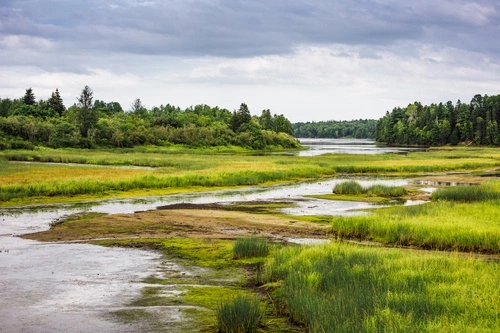
Conservation easements are a common tool for protecting agricultural land, open space, wildlife habitat, and other natural resources throughout California. While frequently associated with conservation efforts, conservation easements are fundamentally a property-rights mechanism that allows landowners to limit future development while retaining ownership of their land.
What Is a Conservation Easement?
A conservation easement is a voluntary restriction on the use of real property designed to limit development while keeping the property in private ownership. Property rights are often described as a "bundle of sticks," with each stick representing a different ownership right. Through a conservation easement, a landowner gives up certain rights, typically development rights, while retaining the remaining rights associated with ownership.
The restrictions imposed by a conservation easement vary depending on the goals of the landowner and the easement holder. Some easements prohibit nearly all future development, while others allow limited development under specified conditions. An easement may cover an entire property or only a portion of it, making each conservation easement unique.
Importantly, conservation easements do not automatically provide public access to private land. In most cases, the property remains privately owned and managed by the landowner, who continues to bear the responsibilities of ownership. The easement holder's role is generally limited to monitoring compliance with the easement's terms.
How Are Conservation Easements Created in California?
California recognizes conservation easements through several statutory frameworks, including the California Conservation Easement Act (Civil Code section 815 et seq.) and the Open Space Easement Act of 1974. These laws establish conservation easements as enforceable property interests that run with the land and bind future owners.
Conservation easements may be granted to governmental entities and qualified nonprofit organizations whose primary purpose is the preservation, protection, or enhancement of land in its natural, scenic, agricultural, historical, forested, or open-space condition.
The specific restrictions are negotiated between the landowner and the easement holder and then memorialized in a recorded easement document. Once recorded, those restrictions generally remain in place regardless of future ownership.
Why Would a Landowner Grant a Conservation Easement?
Landowners typically grant conservation easements to protect their property from future development while retaining ownership of the land. A conservation easement can help ensure that farmland, ranchland, wildlife habitat, scenic open space, or historically significant property remains protected for future generations, even if the property is later sold.
Conservation easements may also provide significant financial benefits. Depending on how the transaction is structured, landowners may be eligible for charitable income tax deductions, estate tax benefits, or reduced property taxes. To qualify for certain federal tax benefits, the easement must serve a qualified conservation purpose, be conveyed to a qualified organization, be granted in perpetuity, and be supported by a qualified appraisal. Qualified conservation purposes include preserving open space, protecting wildlife habitat, conserving agricultural lands, preserving scenic resources, and protecting historically significant properties.
Why Conservation Easements Matter
Although conservation easements are often viewed as environmental preservation tools, they are also important property interests that can significantly affect land use and valuation. As conservation easements become more prevalent throughout California, they will continue to play an important role in property transactions, tax planning, and land conservation efforts.
They may also raise important valuation and property-rights issues when land becomes the subject of an acquisition or an eminent domain action. Notably, if a public agency seeks to condemn land subject to conservation easements, it may be subject to additional notice, comment, and response periods. Check out Nossaman’s previous blog post, Conservation Easements in California: Does Anyone Notice, for an overview of these requirements.

 Associate
Jillian Friess Leivas focuses her practice on eminent domain and inverse condemnation, real property litigation and land use. She represents public agencies in large-scale infrastructure projects, including road, railway ...
Eminent Domain Report is a one-stop resource for everything new and noteworthy in eminent domain. We cover all aspects of eminent domain, including condemnation, inverse condemnation and regulatory takings. We also keep track of current cases, project announcements, budget issues, legislative reform efforts and report on all major eminent domain conferences and seminars in the United States.
Stay Connected
 RSS Feed
Categories
- Administration
- Appraisal
- Arizona
- California
- California
- CLIMATE CHANGE
- CONGRESS
- Construction
- Court Decisions
- Energy & Utilities
- Environmental Law
- EPA
- Events
- FAQs
- Goodwill
- GOVERNMENT ADMINISTRATION
- Inverse Condemnation & Regulatory Takings
- Land Use Planning
- Lawsuit
- Legal Developments
- Nevada
- New Legislation
- Policy Shifts
- Possession
- Projects
- Public Agency Law
- Public Agency Law
- Public Policy
- Publications
- Real Estate and Property Rights
- Redevelopment
- Regulatory Reform and Proposed Rules
- Right to Take
- Right-of-Way
- Risk Management
- Seminars
- Speaking Engagements and Presentations
- Texas
- trial
- Utility Regulation
- Valuation
- Videos
- Washington State
- Water
- Water Law
- Wildfire Management
