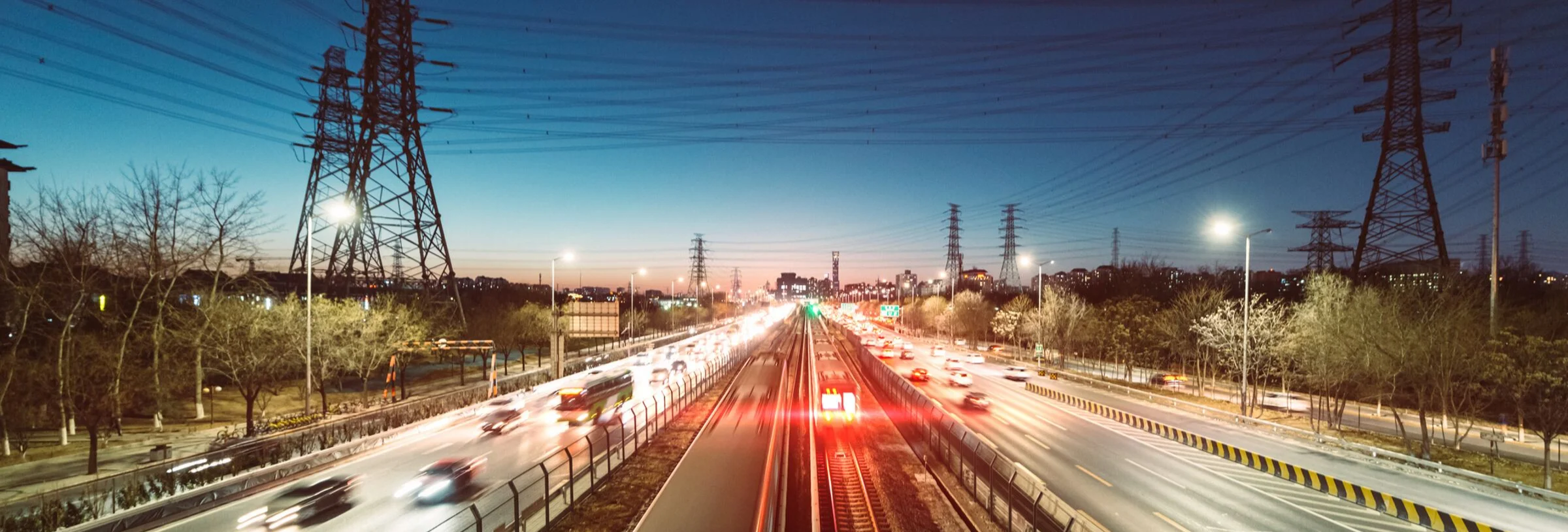
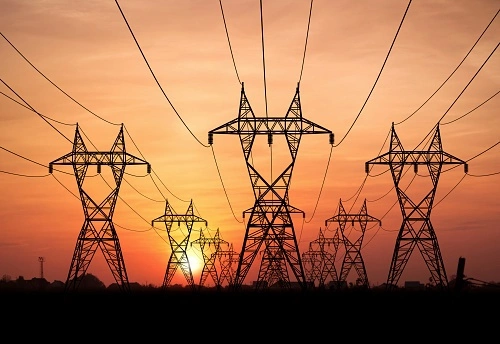
Like most of the United States, California is experiencing significant growth in data centers and other large users of electricity. The California Energy Commission reports that California already has more than 200 active data centers and expects their electricity demand to increase substantially over the coming years. To address this heightened demand and the delays in delivering sufficient energy to power these facilities, last week the California Independent System Operator approved a new process designed to accelerate connections for these large customers.
Most of the ...


Some of the biggest real estate disputes I’ve handled have started with a document that may be only a few paragraphs long: an easement. Easements are everywhere. Utilities use them for pipelines and transmission lines. Developers rely on them for access and infrastructure. Property owners inherit them when they buy property. And they’re often ignored—until somebody wants to do something the other side doesn’t like. And in eminent domain proceedings, public agencies and utilities oftentimes pay little attention to the easement terms or how broad or narrow they’ve ...
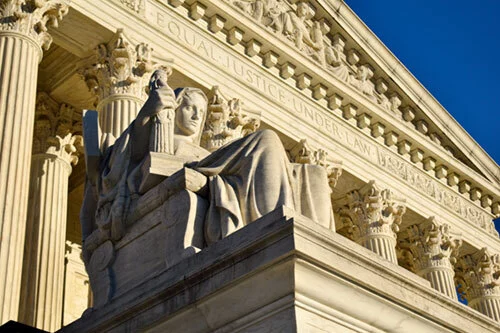
For several years, we’ve been reporting on and tracking several pending eminent domain matters involving public agencies attempting to take-over and operate public utilities (referred to as “municipalization”). When two different California Courts of Appeal issued conflicting decisions on the standard of review that should be applied in such take-overs, the California Supreme Court finally decided to chime in. On August 24, 2026, the Supreme Court in Town of Apple Valley v. Apple Valley Ranchos Water issued its decision and came down unequivocally in favor of ...

We are closely tracking the newly released Senate Bill 254 (Becker, 2025) Study Report, prepared by the California Earthquake Authority (CEA) as Administrator of the Wildfire Fund. While the report outlines several pathways to stabilize California’s insurance and energy markets, one of the most significant proposals is the recommendation to fundamentally overhaul inverse condemnation liability for utilities in California.
I. The Strict Liability Standard Under Fire
In California, courts have consistently applied inverse condemnation liability —rooted in Article I ...

During the past several years, we’ve been following an eminent domain case playing out in Mendocino County related to the Skunk Train. In 2023, the court concluded that the Skunk Train operator, Mendocino Railway, did not have the right to take property because it was not proposing to put the property to a public use. In a recent unpublished opinion, the Court of Appeal revisited this conclusion, and addressed whether a railroad corporation qualified as a public utility with the authority to exercise eminent domain, and what evidentiary showing is required to establish public use ...
Public utilities rely on access to private and public land to build and maintain essential infrastructure. Understanding the right-of-way and condemnation process enables utilities to secure land legally, avoid delays and maintain a balance between operational needs and property owners’ rights. Without a firm understanding of this basis, projects may be delayed, costs can quickly rise and risk exposure increases.
Any acquisition has two parts: (1) the pursuit of a negotiated acquisition through the pre-condemnation process and (2) the involuntary condemnation of the ...

When public agencies or utilities move forward with infrastructure projects, one of the most critical steps is determining exactly what property rights must be acquired. Too often, agencies focus solely on the permanent footprint of the project, only to discover late in the process that they lack authority for construction activities, staging areas or access. Early project planning on the front end helps avoid costly delays, litigation and redesign.
Existing Rights
The first analysis should always be – what rights are already in place? Many agencies or utilities hold ...
In the wake of devastating 2025 wildfires, Senate Bill 254 stands poised to reshape California's wildfire prevention, mitigation and funding strategies. From a groundbreaking $18 billion infusion into the state’s Wildfire Fund to new rights of first refusal for insurance subrogation claims, this legislation could have sweeping implications for utility companies, insurers, and wildfire-affected communities. A host of additional provisions also target transmission infrastructure upgrades, wildfire risk reduction and clean energy innovations.
Stay tuned as we break ...
Eminent Domain Report is a one-stop resource for everything new and noteworthy in eminent domain. We cover all aspects of eminent domain, including condemnation, inverse condemnation and regulatory takings. We also keep track of current cases, project announcements, budget issues, legislative reform efforts and report on all major eminent domain conferences and seminars in the United States.
Stay Connected
 RSS Feed
Categories
- Administration
- Appraisal
- Arizona
- California
- California
- CLIMATE CHANGE
- CONGRESS
- Construction
- Court Decisions
- Energy & Utilities
- Environmental Law
- EPA
- Events
- FAQs
- Goodwill
- GOVERNMENT ADMINISTRATION
- Inverse Condemnation & Regulatory Takings
- Land Use Planning
- Lawsuit
- Legal Developments
- Nevada
- New Legislation
- Policy Shifts
- Possession
- Projects
- Public Agency Law
- Public Agency Law
- Public Policy
- Publications
- Real Estate and Property Rights
- Redevelopment
- Regulatory Reform and Proposed Rules
- Right to Take
- Right-of-Way
- Risk Management
- Seminars
- Speaking Engagements and Presentations
- Texas
- trial
- Utility Regulation
- Valuation
- Videos
- Washington State
- Water
- Water Law
- Wildfire Management
