
I’ve spent most of my career practicing in a relatively narrow corner of the law: eminent domain, inverse condemnation, and real estate litigation. That wasn’t necessarily the plan when I went to law school, but eminent domain chose me – I didn’t choose it. I’ve always been drawn to real estate—how property is used, what gives it value, and how seemingly small differences in location, access, zoning, improvements, or highest and best use can dramatically affect that value. Eminent domain cases bring all those issues together in a way that is both challenging and endlessly interesting. In college, I took a real estate valuation course and learned about income, expenses, and cap rates, and I was hooked. Then I was fortunate enough to get a summer associate position at Nossaman right when Long Beach was going through a major redevelopment, and working on those matters and understanding land use and development made it even more interesting.
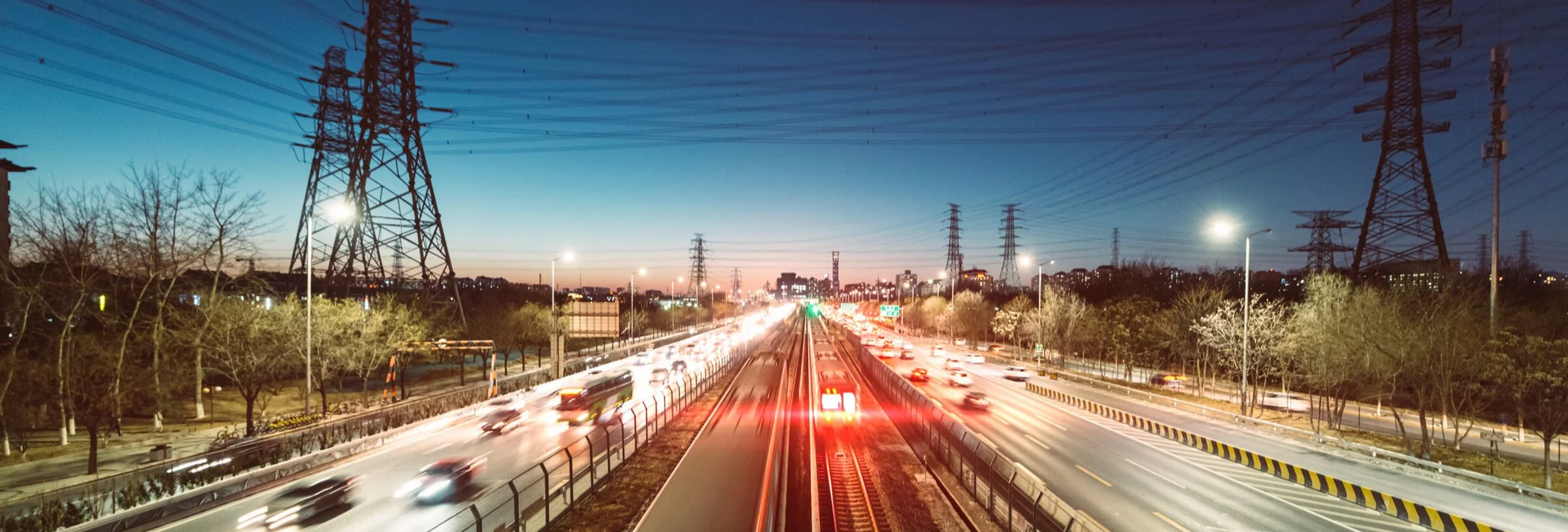
But what has kept me engaged in this area goes well beyond valuation. Public infrastructure matters. Roads, transit, water systems, utilities, schools, and other public projects can improve quality of life and make a meaningful difference in the communities where we live and work. It is rewarding to play a role in helping important projects move forward. I remember shortly after completing the Expo Line in Los Angeles watching on tv a single mother being interviewed about the project and how it allowed her to avoid a 2-hour commute and get home in time to make her two small children dinner. I was honored to have helped bring that project to reality.
At the same time, those major public infrastructure projects can have a very real impact on individual property owners. For many people, receiving an eminent domain notice may be their first—and hopefully only—experience with the process. It can be confusing, disruptive, and deeply personal. One of the most rewarding parts of my practice is helping property owners understand what is happening, navigate that process, and make sure they are treated fairly.
That balance is what I continue to find compelling about this field: improving communities while also respecting and protecting the rights of the people whose property is affected along the way. After all these years, I still find the combination of real estate, valuation, infrastructure, and people fascinating. And I’m glad I found my way into such a specialized corner of the law.

 Partner
Brad Kuhn is a California real estate lawyer whose practice focuses on complex real estate disputes, eminent domain, inverse condemnation, land use and major infrastructure and development projects. He represents public ...
Eminent Domain Report is a one-stop resource for everything new and noteworthy in eminent domain. We cover all aspects of eminent domain, including condemnation, inverse condemnation and regulatory takings. We also keep track of current cases, project announcements, budget issues, legislative reform efforts and report on all major eminent domain conferences and seminars in the United States.
Stay Connected
 RSS Feed
Categories
- Administration
- Appraisal
- Arizona
- California
- California
- CLIMATE CHANGE
- CONGRESS
- Construction
- Court Decisions
- Energy & Utilities
- Environmental Law
- EPA
- Events
- FAQs
- Goodwill
- GOVERNMENT ADMINISTRATION
- Inverse Condemnation & Regulatory Takings
- Land Use Planning
- Lawsuit
- Legal Developments
- Nevada
- New Legislation
- Policy Shifts
- Possession
- Projects
- Public Agency Law
- Public Agency Law
- Public Policy
- Publications
- Real Estate and Property Rights
- Redevelopment
- Regulatory Reform and Proposed Rules
- Right to Take
- Right-of-Way
- Risk Management
- Seminars
- Speaking Engagements and Presentations
- Texas
- trial
- Utility Regulation
- Valuation
- Videos
- Washington State
- Water
- Water Law
- Wildfire Management
