It's not every day you're involved in a successful eminent domain case before the California Court of Appeal. It's even more unusual when the case deals with a number of interesting legal issues, such as the enforceability of a waiver of just compensation, the compensability of a license, the breadth of the "project influence rule" for purposes of a property's valuation, and the substantial impairment of access test. I was fortunate enough to have dealt with all these interesting issues in a single case, Los Angeles County Metropolitan Transportation Authority v. KBG I Associates, LLC, in which the Court just issued its decision.
Background
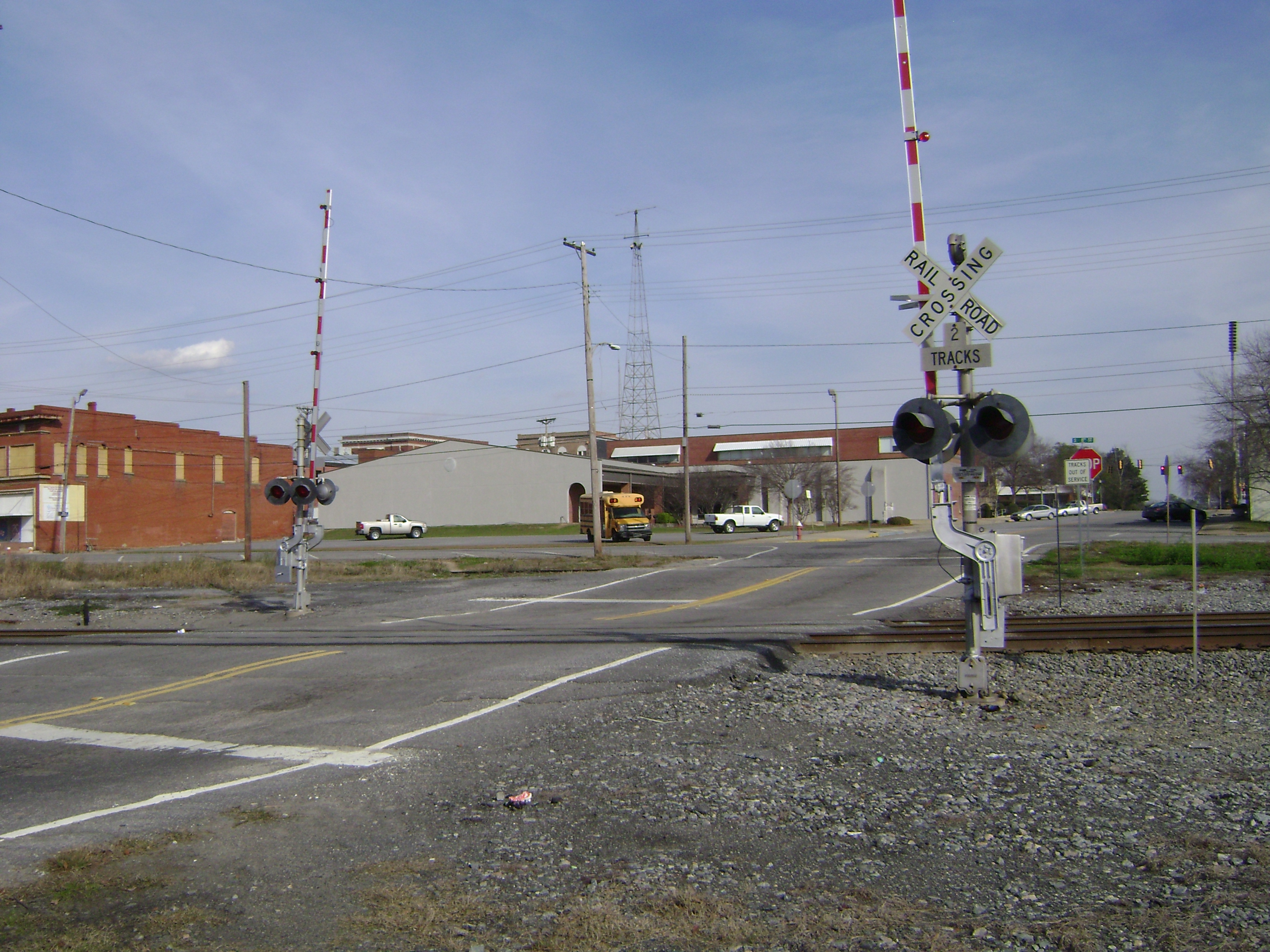
The case involved the acquisition of a non-exclusive access easement from a 3.8-acre industrial property in order to provide alternative access to a parking garage serving the Expo Line Project's La Cienega Station. As part of the Project, the public agency also terminated the property's license to cross over a railroad right-of-way, which was the property's primary access point. The license was terminable on 30 days' notice, and it contained a provision by which the property owner waived any rights to seek damages as a result of its termination. The agency provided a new, alternative access point to cross the railroad tracks about 1,100 feet away, but the owner claimed the new access point was inferior.
The owner's appraiser concluded that absent the Project, the license would have remained in effect, or potentially converted to an easement, and damages due to the direct loss of access caused over $2.2 million in severance damages. The public agency's appraiser did not consider the loss of access, as the owner only enjoyed a revocable license which contained a waiver of damages in the event of termination.
The trial court ruled in favor of the public agency, concluding that a license is not a compensable property interest in eminent domain and in any event, the license contained a waiver of the owner's rights to seek damages in the event of its termination.
The Appeal
On appeal, the property owner argued that under the "project influence rule," the agency's actions of terminating the license must be ignored. The owner relied on Code of Civil Procedure section 1263.330, which provides that the determination of fair market value shall not include any increase or decrease in value attributable to the proposed project, the eminent domain action, or any preliminary actions of the public agency to acquire the property. The Court of Appeal rejected this argument, concluding that regardless of the rule, the owner had contractually waived any rights to seek damages for the license's termination. In other words, the "project influence rule" does not write out of existence the parties' contractual agreements with respect to compensation.
The owner also argued that as a result of the Project, the property experienced a change in the quality of access which caused severance damages. The Court once again explained that because the owner had waived damages as a result of the license's termination, the owner could not recover severance damages for this change in access. Moreover, other changes in access caused by the Project, such as loss of left turn or a less convenient means of access, did not rise to the level of a substantial impairment, which is a threshold requirement before a reduction in property value becomes legally compensable.
Conclusion
While unpublished, the decision supports the concepts that (i) a license is not compensable in an eminent domain action, (ii) a waiver of the right to just compensation is enforceable, (iii) the "project influence rule" is not so broad so as to ignore the parties' contractual agreement, and (iv) the substantial impairment of access test is still alive and well, despite some broad language in recent court decisions indicating "all" severance damages caused by a public project are to be considered.

 Partner
Brad Kuhn is a California real estate lawyer whose practice focuses on complex real estate disputes, eminent domain, inverse condemnation, land use and major infrastructure and development projects. He represents public ...
Eminent Domain Report is a one-stop resource for everything new and noteworthy in eminent domain. We cover all aspects of eminent domain, including condemnation, inverse condemnation and regulatory takings. We also keep track of current cases, project announcements, budget issues, legislative reform efforts and report on all major eminent domain conferences and seminars in the United States.
Stay Connected
 RSS Feed
Categories
- Administration
- Appraisal
- Arizona
- California
- California
- CLIMATE CHANGE
- CONGRESS
- Construction
- Court Decisions
- Energy & Utilities
- Environmental Law
- EPA
- Events
- FAQs
- Goodwill
- GOVERNMENT ADMINISTRATION
- Inverse Condemnation & Regulatory Takings
- Land Use Planning
- Lawsuit
- Legal Developments
- Nevada
- New Legislation
- Policy Shifts
- Possession
- Projects
- Public Agency Law
- Public Agency Law
- Public Policy
- Publications
- Real Estate and Property Rights
- Redevelopment
- Regulatory Reform and Proposed Rules
- Right to Take
- Right-of-Way
- Risk Management
- Seminars
- Speaking Engagements and Presentations
- Texas
- trial
- Utility Regulation
- Valuation
- Videos
- Washington State
- Water
- Water Law
- Wildfire Management