
We've been closely watching Assembly Bill 2 work its way through the legislature for most of 2015, and last week, it was finally signed by the Governor. What does it mean? You can find a detailed analysis by my partner, Bernadette Duran-Brown, in our recent E-Alert, but generally, it means redevelopment is back in California.
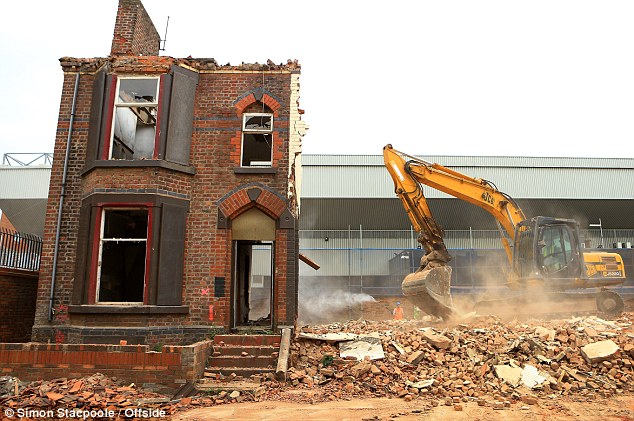
AB2 allows local governments to create Community Revitalization and Investment Authorities (CRIAs), which will have the power to issue bonds, provide low-income housing, prepare and adopt a revitalization plan for an area, and acquire property using the power of eminent domain. Once a CRIA is established (through a city, county, special district, or a joint powers agreement), a board will be established, which must include at least two members of the public who live or work in the area.
CRIAs, like former redevelopment agencies, can freeze property taxes of an area and then collect the increased tax increment to use on revitalization activities. However, in an effort to curtail redevelopment abuse, the taxing entities in the plan area, like cities, counties and special districts, must agree to divert the tax increment to the CRIA.
It's not clear at this point how CRIAs will positively or negatively impact disadvantaged communities. Moreover, in a potential competition with CRIAs, Governor Brown also signed AB313 on September 22, which enhances the powers of Enhanced Infrastructure Financing Districts (EIFDs), another type of tax increment financing entity the Legislature created last year. Will the EIFDs and CRIAs be fighting over the same pot of funds, or will they complement one another, giving local governments even more strength to implement public projects?
Stay tuned as we delve deeper into AB2 and see how it plays out in 2016.

 Partner
Brad Kuhn, chair of Nossaman's Eminent Domain & Inverse Condemnation Group, is a nationally-recognized leader in the areas of eminent domain/inverse condemnation, land use/zoning and other property and business disputes. Brad ...
Eminent Domain Report is a one-stop resource for everything new and noteworthy in eminent domain. We cover all aspects of eminent domain, including condemnation, inverse condemnation and regulatory takings. We also keep track of current cases, project announcements, budget issues, legislative reform efforts and report on all major eminent domain conferences and seminars in the United States.
Stay Connected
 RSS Feed
Categories
- Administration
- Appraisal
- Arizona
- California
- CLIMATE CHANGE
- CONGRESS
- Construction
- Court Decisions
- Energy & Utilities
- Environmental Law
- EPA
- Events
- FAQs
- Goodwill
- GOVERNMENT ADMINISTRATION
- Inverse Condemnation & Regulatory Takings
- Land Use Planning
- Lawsuit
- New Legislation
- Possession
- Projects
- Public Agency Law
- Public Policy
- Publications
- Real Estate and Property Rights
- Redevelopment
- Regulatory Reform and Proposed Rules
- Right to Take
- Right-of-Way
- Seminars
- Speaking Engagements and Presentations
- Texas
- trial
- Valuation
- Videos
- Water
- Wildfire Management